
Building a successful OnlyFans presence doesn’t mean you must expose your full life to strangers. Whether you’re cautious about family, employers, or your online footprint, practical steps can preserve privacy and reduce risk. This article walks through planning, account setup, content production, digital security, and real-world safeguards so you can earn and create with control.
Start with a clear plan and realistic expectations
Before you make an account, decide what anonymity means to you and how much you’re willing to invest to protect it. Some creators are comfortable hiding faces but glad to share a distinctive voice or style; others want full bodily anonymity using masks and props. Getting specific about boundaries early will shape every later decision, from branding to tech choices.
Write a short policy for yourself: what content is allowed, what subjects are off-limits, how you’ll respond to requests for personal details, and when you’ll consider stopping. A written plan isn’t glamorous, but it prevents impulse decisions that can compromise safety.
Separate personal identity from creator identity
One of the simplest and most effective moves is to create a complete separation between your life outside OnlyFans and your creator persona. That starts with a new email address dedicated to all creator-related services. Use a reputable email provider and never link that address to your personal social accounts.
Pick a stage name that’s memorable but not traceable to you. Avoid nicknames used by friends or any handles you’ve used elsewhere. Treat the stage name as a legal brand—use it on profiles, invoices, and artwork so your real name rarely appears in connection with your content.
Account setup: keep documentation and payment safe
OnlyFans and similar platforms require identity verification and payment information to comply with regulations. When submitting documents, understand they will be held by the platform; read the privacy policy and retention terms carefully. If you’re uncomfortable linking a personal bank account, consider alternatives like business accounts, or discuss options with a financial advisor.
Use a separate bank account or payment service devoted to creator income. This compartmentalizes your finances and simplifies bookkeeping and taxes. If privacy is paramount, explore setting up a legal entity—an LLC, for example—to receive payments under a business name. Consult an accountant or attorney for specifics in your jurisdiction.
Protect your face and identifying marks on camera
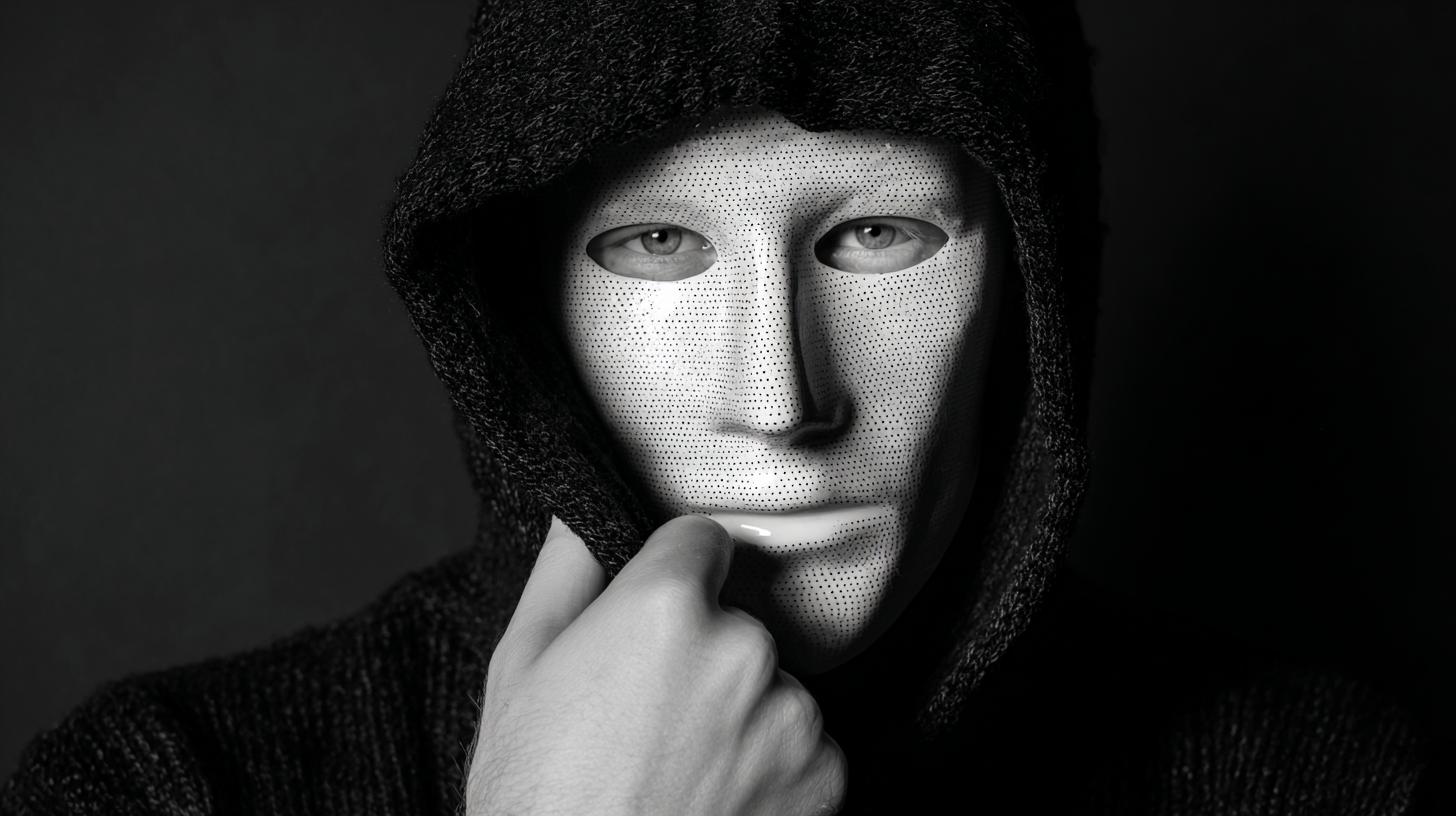
Many creators maintain anonymity by avoiding full-face shots. You can use angled lighting, crop frames above the chin, hair, masks, makeup, or clever props to keep identity hidden while preserving personality. Try different approaches to find a visual style that feels authentic and sustainable.
Tattoos, scars, and unique jewelry can reveal identity. Either conceal these markers with makeup, clothing, or digital editing, or include them as part of your brand if you’re comfortable. If you decide to hide them, be consistent across posts so that subscribers don’t piece together identifying details over time.
Alter or disguise your voice carefully
Voice can be as identifying as a face. If you prefer to hide your natural voice, practice speaking in a different register, using accents, or adding character. Use modest voice modulation tools if you must, but beware that heavy digital alteration can sound artificial and may alienate an audience.
For voice-only content like messages or calls, consider pre-recorded clips rather than live calls. Pre-recorded pieces let you edit mistakes and control what you disclose, and they reduce the risk of lapses during spontaneous conversation.
Remove metadata and geotags from media
Photos and videos often contain metadata—timestamps, camera model, and geolocation—that can compromise anonymity. Before uploading, strip metadata using built-in phone settings or simple apps that remove EXIF data. Make this a routine step in your workflow; small oversights are what attackers exploit.
Also avoid showing recognizable backgrounds or street views that could identify a location. Change bedding patterns, avoid distinctive art, and use neutral sets or backdrops. These aesthetic choices also help your brand look consistent and professional.
Watermarking and controlling image distribution
Watermarks can deter casual re-sharing and carry your brand, but they won’t stop determined redistributors. Place subtle watermarks that don’t ruin the image but remain visible, and keep track of where content leaves the platform. Consider lower-resolution versions for teasers and reserve full-quality files for paying subscribers.
Use platform tools to limit downloads where possible and use dynamic watermarks that include subscriber identifiers for bespoke content. When personalized photos are watermarked with a unique code, it’s easier to trace leaks back to their source.
Use separate devices and profiles when possible
If you can, dedicate one device to content creation and another to personal use. That reduces cross-account friction: no accidental logged-in sessions, fewer cookie-based linkages, and clearer operational boundaries. Even a modestly priced second-hand phone or tablet can be enough for content creation.
Create separate social media profiles for promotion that never link to your personal accounts. Ensure privacy settings on personal profiles are strict and scrub any old posts or photos that could connect to your creator persona. Consistent compartmentalization prevents many accidental breaches.
Strengthen digital security: passwords and two-factor authentication
Use a password manager to generate unique, complex passwords for every account related to your creator work. Never reuse passwords across sites that host content, accept payments, or store personal data. A single reused password is a single point of failure.
Enable two-factor authentication (2FA) wherever possible, ideally through an authenticator app rather than SMS. Authenticator apps are more resistant to SIM-swapping attacks, which can be used to hijack accounts and bypass SMS-based 2FA.
Consider VPNs and network hygiene
A virtual private network (VPN) adds privacy by masking your IP address and encrypting traffic when you upload or manage content. Choose a reputable paid VPN—free services often log data or inject ads and can be counterproductive. Use a VPN consistently when working, especially on public Wi‑Fi.
Avoid uploading from public networks without protections, and keep devices updated with security patches. Regularly scan for malware and uninstall apps that request unnecessary permissions. A clean device is far less likely to leak information unintentionally.
Set clear boundaries with subscribers
Define what kinds of interactions you’ll allow in direct messages, custom requests, or paid calls. Many creators maintain a firm policy: no offline meetings, no calls without escrow or recorded consent, no personal contact info. Post these boundaries on your profile and enforce them consistently.
Automated messages help enforce rules by responding to common requests with standard replies. Use canned responses to decline risky propositions politely but firmly. Consistency reduces stress and prevents boundary erosion over time.
Handling direct messages and custom content safely
For custom content, require payments through the platform before fulfilling requests. Avoid taking payments off-platform; those transactions are harder to trace and often leave you unprotected if disputes arise. Use the platform’s tools for invoices and paid messages wherever possible.
If you accept request details that might reveal personal information, sanitize or redact them before producing content. Never accept files that request you to reveal private contact details, and be cautious about bespoke imagery that might lead to doxxing.
Responding to doxxing, leaks, and harassment
If your content is leaked or personal details are exposed, act quickly. Use the platform’s report tools, file DMCA takedowns where applicable, and document all incidents with timestamps and screenshots. Prompt, organized action often stops spread before it intensifies.
For harassment, block and document offenders. Consider legal advice for severe threats, and use local law enforcement if you feel physically endangered. Many creators keep an incident log to help with police reports or platform appeals.
Legal protections and contracts
Understand your rights as a creator. Copyright laws protect original content and allow you to issue takedown notices when material is reposted without permission. Learn the basics of DMCA procedures or consult a lawyer to draft cease-and-desist notices if necessary.
If you work with collaborators—photographers, editors, or co-creators—use written agreements that spell out usage rights, revenue splits, and confidentiality. Clear contracts reduce misunderstandings and provide leverage if disputes arise.
Financial safety and tax responsibilities
Keep careful records of income and expenses from OnlyFans. This documentation simplifies tax filing and reduces the risk of surprises during audits. Use separate bookkeeping software or hire an accountant who understands creator income and the relevant deductions you can claim.
If anonymity is a priority, discuss payment structures with a financial professional. Options like an LLC or a single-member business account can increase privacy for banking transactions, while still complying with tax laws. Never suggest hiding income; transparency with tax authorities is essential.
Use moderation and community tools to keep interactions safe
OnlyFans and many social platforms offer moderation tools to filter messages and block certain content types. Use keyword filters and restrict who can message you. These tools significantly reduce the volume of risky or abusive interactions.
Consider recruiting a trusted moderator if your subscriber base grows. A moderator can handle routine requests, enforce rules, and forward only the high-priority messages to you. Choose someone who respects your privacy and signs a written confidentiality agreement.
Branding without revealing personal life
Create a consistent aesthetic that distinguishes your content without depending on personal identifiers. Color palettes, props, and recurring themes build a brand that feels unique even if you never show your face. This approach also makes scaling easier if you later collaborate or license content.
Tell stories through captions and creative staging rather than personal anecdotes that include identifiable details. You can be expressive and relatable without sharing information that could connect the persona to your real-world identity.
Content workflows that reduce accidental leaks
Design a predictable workflow: capture, edit, remove metadata, watermark, upload, then archive the source file offline. Repeatable steps reduce human error and speed production. Use dedicated folders named by content type, not by dates or personal tags that could hint at location.
Back up original files in encrypted storage and keep lower-resolution or watermarked versions for public sharing. An efficient workflow both protects you and makes it easier to produce content consistently, which subscribers appreciate.
Use tech tools for monitoring and protection
Set up Google Alerts and reverse image searches to detect where your images or stage name appears online. Tools like TinEye and Google’s reverse image search can help you find reposts. Early detection lets you request removals before the content goes viral.
Consider services that monitor and remove stolen content professionally if your brand grows. These services cost money but can be worth it to protect revenue and reputation over time.
Balance transparency with safety when growing your audience
Transparency builds trust, but oversharing can cost you privacy. Share behind-the-scenes glimpses that reveal process rather than personal identifiers. Many creators offer “day-in-the-studio” content that’s enticing but keeps home and family out of the frame.
If fans ask for more personal access, offer tiered experiences—digital perks at lower tiers, exclusive but safe interactions at higher tiers. This structure generates revenue while maintaining clear boundaries that safeguard your real life.
Mental health and community support
Working in an industry with public attention can be emotionally draining. Build a support network outside of your subscriber base: friends, therapists, or creator communities who understand the pressures. Speaking with someone who respects confidentiality can prevent burnout.
Set work hours and unplug limits. An anonymous creator still needs downtime, and boundaries between personal life and creator life help preserve both mental health and long-term sustainability.
Real-life example: building a persona while staying anonymous
Early in my creator career I experimented with different levels of visibility. I started by trialing masked photos and close-up compositions, then slowly introduced audio pieces where my speech was edited to a slightly lower pitch. Subscribers responded well to consistent aesthetics more than personal revelations.
That process taught me to focus on the craft: lighting, mood, and interaction quality. Over time I monetized through custom content and tips while never sharing identifying details. The discipline I developed in separating personal and creator accounts paid off during a privacy scare years later, when quick compartmentalization limited damage.
Quick checklist: practical daily and weekly tasks
Use a short checklist to keep safety habits active: strip metadata before uploads, update passwords weekly, check for reposts monthly, and review moderation settings regularly. These small habits compound into a robust privacy posture.
Below is a compact checklist table to print or save for daily use.
| Task | Frequency | Why it matters |
|---|---|---|
| Strip metadata | Every upload | Removes location and camera info |
| Update passwords | Monthly | Reduces risk of account compromise |
| Reverse image search | Weekly | Detects unauthorized reposts |
| Back up files | Weekly | Prevents loss and preserves originals |
How to handle verification and platform policies
OnlyFans requires KYC (know your customer) verification for payouts. Submit what’s necessary, but familiarize yourself with how the platform stores and uses this information. If you have questions about data retention, contact support and request specifics in writing.
Read the terms of service periodically. Platforms change rules, and a policy shift could affect anonymity practices or payment options. Staying informed means you can adapt before changes become problematic.
When to consult professionals
If you experience sustained harassment, legal threats, or complex financial questions, consult professionals. A lawyer can advise about doxxing, harassment, and takedowns, while an accountant familiar with creator economies can recommend tax structures that balance privacy and compliance.
Professional help is an investment. It protects your income and peace of mind, especially if OnlyFans becomes a significant source of revenue.
Pitfalls to avoid
Avoid these common mistakes: reusing personal photos, posting content from places tied to your identity, using identifiable usernames across platforms, and accepting off-platform payments without contracts. Each of these missteps has led creators to lose anonymity.
Don’t underestimate social engineering. Scammers may try to befriend you to elicit personal details. Stay skeptical, verify identities, and never give out personal information casually—even if someone seems friendly or offers money.
Scaling safely as you grow
When traffic grows, systems become essential. Hire trusted help, automate moderation, and consider forming a small business to manage taxes and payments. Maintain strict NDAs and vet assistants carefully—your privacy depends on the people you bring into your process.
Plan exit strategies as well: if you decide to stop, have a way to archive content, notify subscribers, and close financial accounts cleanly. A graceful exit protects both revenue and reputation.
Final practical tips
Create routines that minimize mistakes: a pre-upload checklist, a template for replies to risky requests, and a single place where you store passwords and account information. Repetition builds reliability, and reliability builds safety.
Remember that absolute anonymity is difficult in the digital age, but layered defenses—separation, tech hygiene, boundaries, and legal awareness—make it achievable in a practical sense. With deliberate habits, you can build an income and a brand without surrendering your private life.
FAQ
Q: Can I avoid submitting ID to OnlyFans?
A: No. OnlyFans requires identity verification to pay creators. You can minimize exposure elsewhere by using separate bank accounts and an LLC, but you must submit valid ID for payouts.
Q: How can I prevent someone from finding my real identity from my posts?
A: Strip metadata, avoid showing identifiable backgrounds, conceal tattoos, use stage names, and discourage off-platform contact. Regular reverse image searches help catch reposts early.
Q: Is it safe to do live streams or private calls?
A: Live formats carry greater risk of slips or revealing unintended details. If you offer them, prepare a script, use video or voice filters, and restrict access to trusted, paid subscribers. Consider recorded alternatives.
Q: What payment methods protect my privacy best?
A: Use platform-native payment systems first. For additional privacy, consult an accountant about business accounts or an LLC. Avoid accepting personal PayPal or bank transfers that link to your name and home address.
Q: Should I tell friends and family about my OnlyFans work?
A: That depends on your relationships and comfort level. If you need anonymity, limit disclosure to a small, trusted circle. Clear boundaries and a contingency plan help manage accidental exposure.
If you want more in-depth guides and resources, visit https://onlyfanstar.com/ and read other materials from our website to help you build a safe, sustainable creator business.